
Finding Alvin Residents Through Records
No single public roll lists every person living in Alvin. Instead, the useful records sit in different places. Brazoria County holds deeds, court files, and property rolls. The City of Alvin keeps its own records. Texas agencies and historical repositories fill in the rest. For owner or parcel questions, the Brazoria Central Appraisal District search is the most practical first stop. Voter rolls can confirm a registration, while cemetery records and old city directories answer narrower questions about past residents of the area.
Start with a full name, a street address, or an approximate year, and keep the source date with every result. A parcel card names an assessed owner today. A street directory captures a listed household at publication. A deed names the parties to a transaction, not necessarily the occupants. Those distinctions matter here, because city, postal, and county boundaries in Alvin do not always line up.
- Search the appraisal roll by owner or address and record the situs address, geographic ID, and legal description.
- Use the Texas voter lookup for one name with Brazoria County, date of birth, and ZIP information where appropriate.
- Search the County Clerk real-property index for recorded instruments tied to the parcel or a party name.
- For past households, consult library and archive directory holdings before treating an online search as complete.
- Ask the original custodian for a targeted record or copy when the online route does not contain the needed period.
Note: A no-result only means that the selected index returned nothing for that query at that time.
Alvin Resident Records Custodians
A useful Alvin resident search draws on several custodians. The county recording office holds instruments and local vital records. The appraisal district keeps the taxable-property roll. The county elections office handles registration help. City departments maintain their own municipal records. Every office sets its own access channel and copy process.
Brazoria County Clerk Recording
237 E Locust, Suite 102
Angleton, TX 77515
979-864-1355
Brazoria Central Appraisal District
County appraisal-roll custodian
Angleton service area
979-849-7792
Brazoria County Elections
1524 E Mulberry, Suite 150
Angleton, TX 77515
979-864-1074
The County Clerk offers an online real-property route after account verification, plus public computers in Angleton. Its own pages warn that the online database is not the official repository and that staff do not perform title searches. When a complete or certified record matters, compare the result against the custodian record and copy procedure.
Alvin Parcel Names and Address Fields
For the Alvin residents directory, the appraisal roll is the strongest current property starting point. Search options include owner name, street number, street name, property ID, geographic ID, subdivision, neighborhood, tax year, and several advanced filters. The address search wants just the street number and street name. It skips prefix, suffix, and unit. If a full address fails, try the street name alone. That looser query often surfaces a listing the strict one misses.
| BCAD field | Search use | Important limit |
|---|---|---|
| Owner Name | Search as last name then first name | A matching name needs another identifier |
| Street Number and Street Name | Find a physical parcel | Do not add prefix, suffix, or unit text |
| Property ID or Geographic ID | Carry a parcel between map and roll | It is not a resident identifier |
| Subdivision or Neighborhood | Narrow a local search | Names can change over time |
A parcel card can show two addresses. Situs is the physical taxed parcel. Mailing is where tax notices go. A mailing address elsewhere proves nothing about where the owner lives. A homestead flag supports an owner-occupancy inference, yet it still cannot prove every person at the address.
Alvin Voter Lookup With ZIP Checks
Texas built My Voter Portal to check one registration, not to produce a street-wide directory. The lookup path uses a voter name, Brazoria County, date of birth, and ZIP code. A VUID also works when known. Match the name carefully. Former surnames, initials, and common names often appear differently across records.
The voter system helps separate one person from another with the same name. But it never reveals ballot choices. Texas rules shield Social Security numbers, driver-license and personal-ID data, and qualifying confidential addresses. Do not read a suspense status as proof that someone moved. County staff can resolve a lookup the portal cannot. The My Voter Portal shows the ZIP-capable pathway used for an Alvin search.
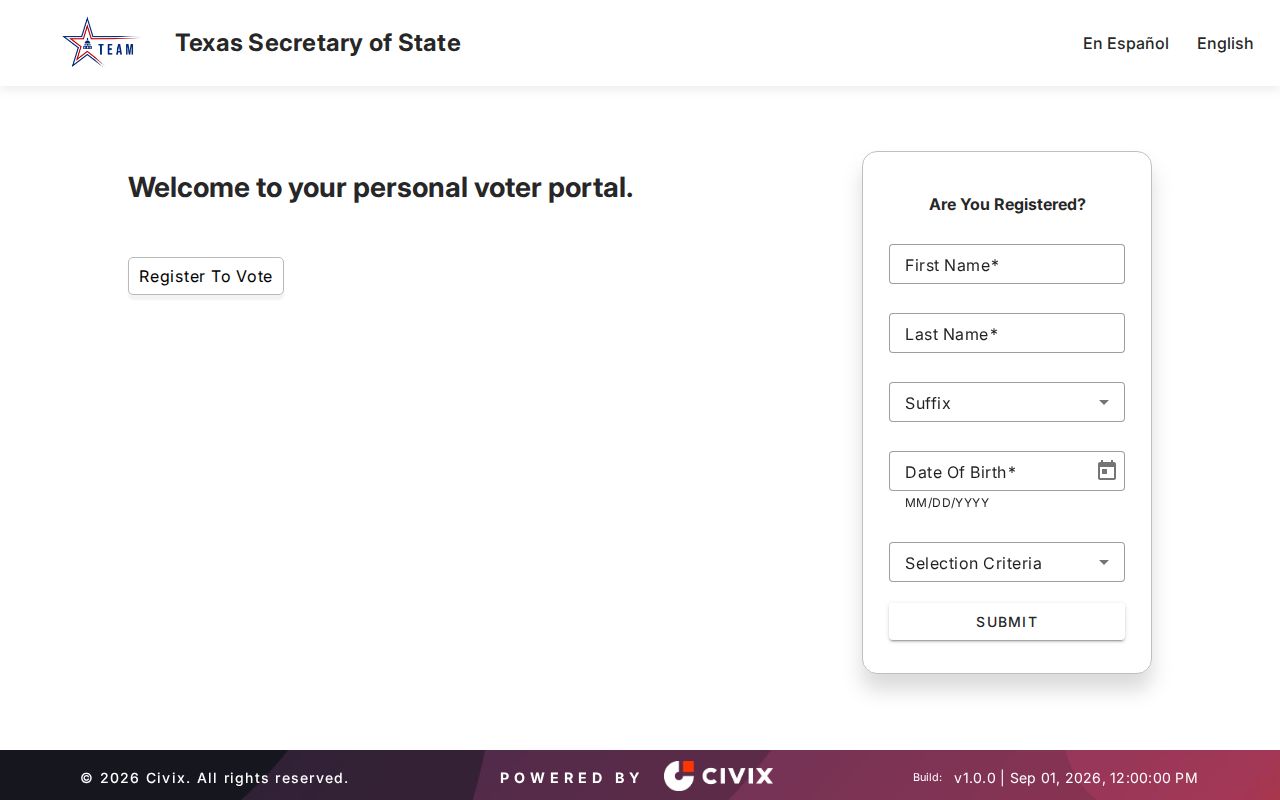
Reuse the same inputs as a confirmation step, then save only what the official result actually shows. The Texas voter-registration guidance also explains the official registration and lookup route.
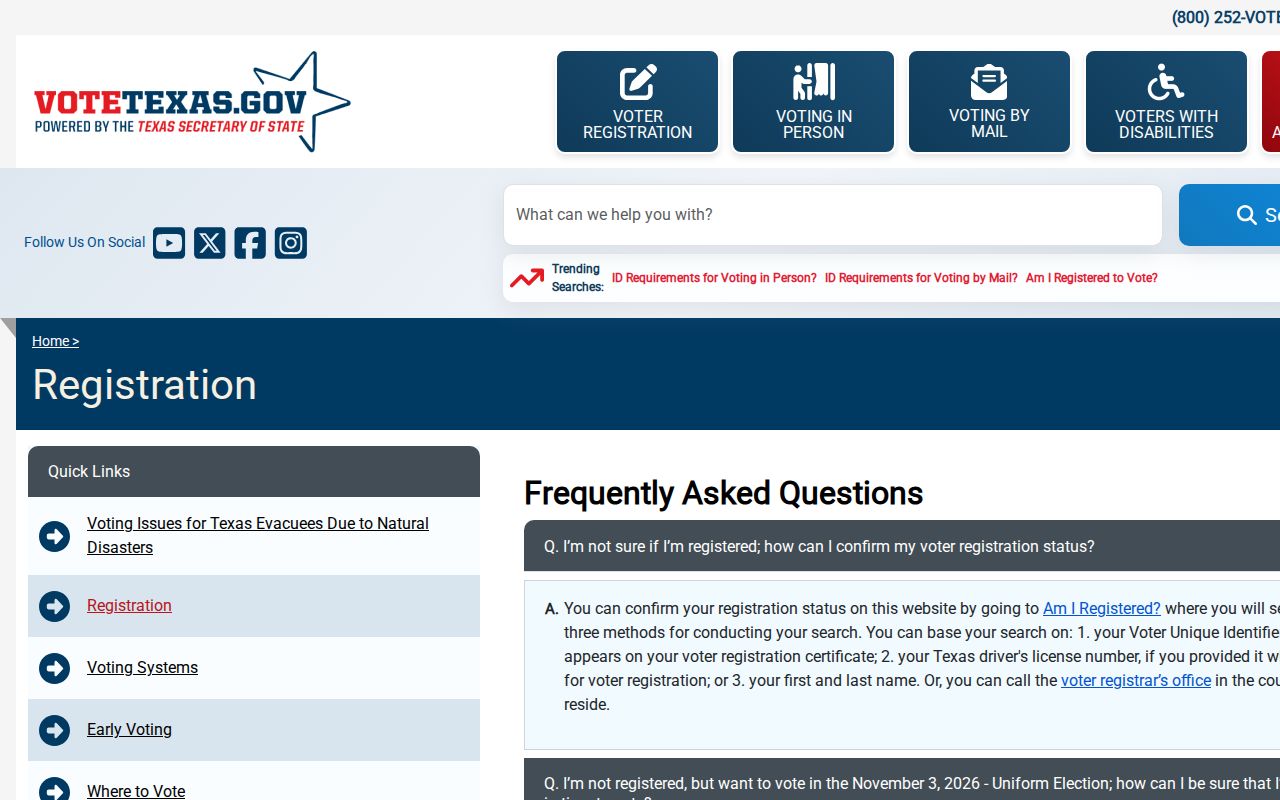
It fits best when an Alvin name search needs county assistance rather than a broader list request.
Alvin Deed Parties and Property History
A recorded instrument ties a person to a property transaction. Start with the owner and legal description that BCAD returns. Then use the Brazoria County Clerk search route to find the purchase record. Record the grantor, grantee, document number, recording date, instrument type, and legal description. A tract may have been split, annexed, or renamed. In those cases the legal description is far more stable than a street string.
Walk the history backward. Search the current grantee as a grantee. Then search the prior grantor as a later grantee. Repeat the pattern deed by deed. Keep deeds of trust, releases, liens, and easements separate from true deeds. For early county records, the Texas State Library and Archives Commission lists microfilm reaching back to nineteenth-century deeds and indexes. Modern online coverage begins at a date the custodian does not state.
- Index
- A finding aid that points to a record; it is not always the record image.
- Parcel
- A mapped property unit used by the appraisal roll.
- Grantor
- The party conveying an interest in a recorded instrument.
- Grantee
- The party receiving that interest.
Alvin Court and City Record Channels
Alvin Municipal Court runs its own public search. It covers citations, defendant names with date of birth, vehicle information, and other listed modes. Court functions sit at the Alvin Annex, 302 W House Street. The City Hall project continues. Coverage dates go unstated. A name hit is only a docket lead. Sealed, juvenile, expunged, and protected matters stay out of view. For the city route and current access details, the Alvin Municipal Court page is the official source. Treat it as a starting point, not a full case history.
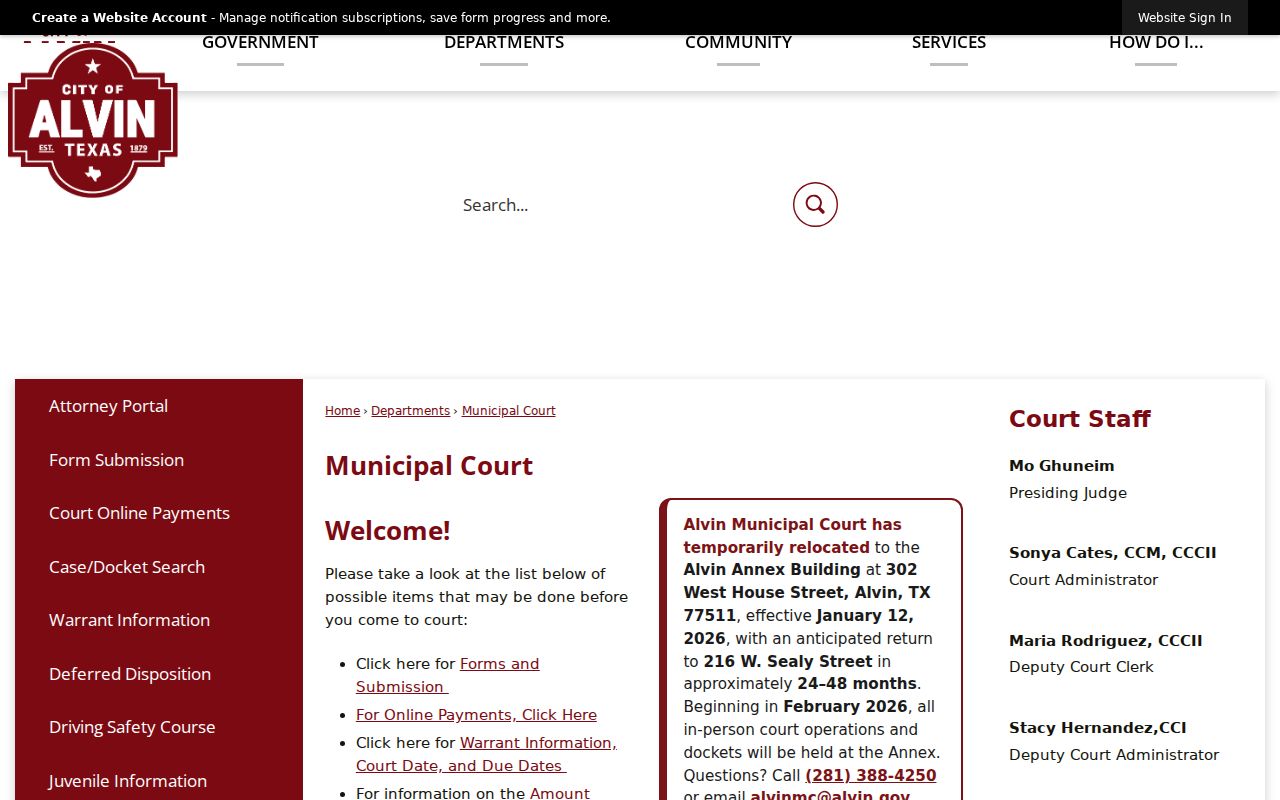
Confirm the court and the case number before trusting a person-name match. Any independent detail makes the identification far more reliable.
Alvin Records Across Several Repositories
Records geography shapes Alvin research. The County Clerk keeps its material centered in Angleton. Some older county books survive only on Texas State Library microfilm, and others sit in another repository entirely. City records stay with Alvin custodians. Statewide vital indexes belong to DSHS, while historical directory titles are cataloged at UT Austin, the Galveston and Texas History Center, and TSLAC. The Alvin Sun is digitized through UNT, and the Brazoria County Historical Museum offers local-history and cemetery help. So a missing web result often means the record lives elsewhere, not that the event never happened.
The oldest trails predate Alvin itself. TSLAC lists Spanish deed records from 1831 to 1893, deed books from 1837 to 1886, deed indexes from 1837 to 1894, marriage records from 1829, and probate or tax materials for Brazoria County. Alvin incorporated in 1893. An early Alvin-area land or family question may therefore be filed under county history rather than a modern city name. A nineteenth-century property search can require a Spanish spelling or an English-translation reel. Keep the book, reel, or repository citation with whatever you find.
Digitization is uneven too. The County Clerk states no start year for the modern online index, the GTHC directory run is not inclusive, and individual Alvin Sun holdings have gaps. BCLS library databases, FamilySearch, reading rooms, a County Clerk public terminal, an archive request, and a Texas Public Information Act request form the practical fallback chain. Certification comes from the original custodian, never a library scan.
Current Alvin Resident Directory Sources
Current directory-style evidence for Alvin comes from several separate systems rather than one people list. Property and tax records identify account or owner relationships, while voter tools confirm a registration under statutory rules. Recorded instruments name the parties to a dated transaction. City staff and board lists show public contacts, not residence. The table keeps each role distinct. A residents directory search stays anchored to what each record actually proves because of that.
| Source | What it can establish | Custodian | Access route |
|---|---|---|---|
| Appraisal roll | Assessed owner, parcel, mailing and situs fields | BCAD | Public property search |
| Voter registration | Individual registration information within rules | Texas SOS and county elections | Portal or registrar help |
| Deed index | Parties and date of a property instrument | Brazoria County Clerk | Online index, counter, copies |
| Municipal records | City-held permit, meeting, court, or cemetery leads | Relevant Alvin custodian | Portal, counter, or request |
| Historical collections | Listed names and addresses for a past date | Libraries and archives | Catalog, reading room, or database |
One name often needs two sources. A person found in an old volume can be verified later through a dated deed, obituary, or official record. The Alvin resident lookup traces that one-person verification path in more detail.
Alvin Public Information Request Access
A Texas Public Information Act request fits the gap where an Alvin department holds a dated permit, code, or meeting record that has no public search screen. Send the request to the governmental body with custody. Texas law presumes information open unless an exception applies. Protected details can still be withheld or redacted. A broad name search usually works less well than a request tied to a location and time period. The Alvin request portal is the direct municipal starting point.
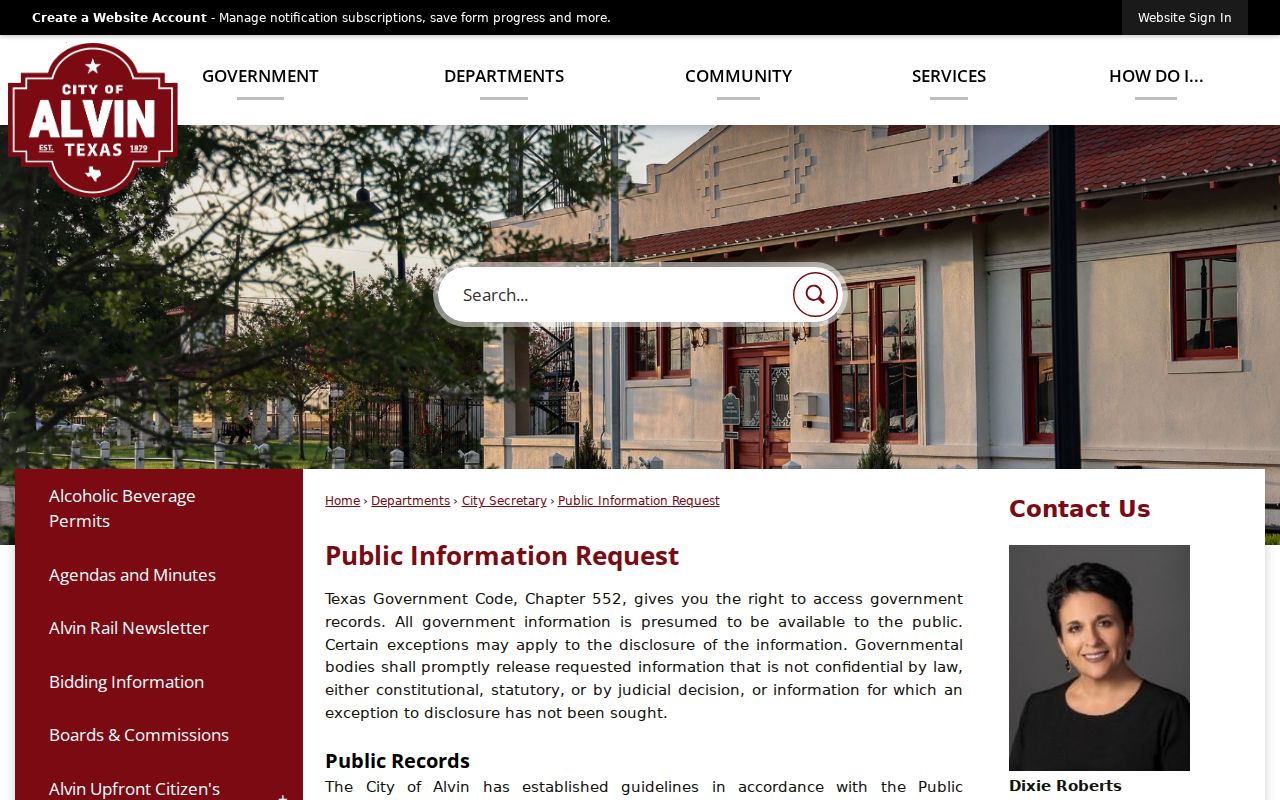
The request route reaches city-held records that never appear in the property, court, or library systems. The Alvin City Secretary page documents the temporary municipal records location during the new City Hall project.
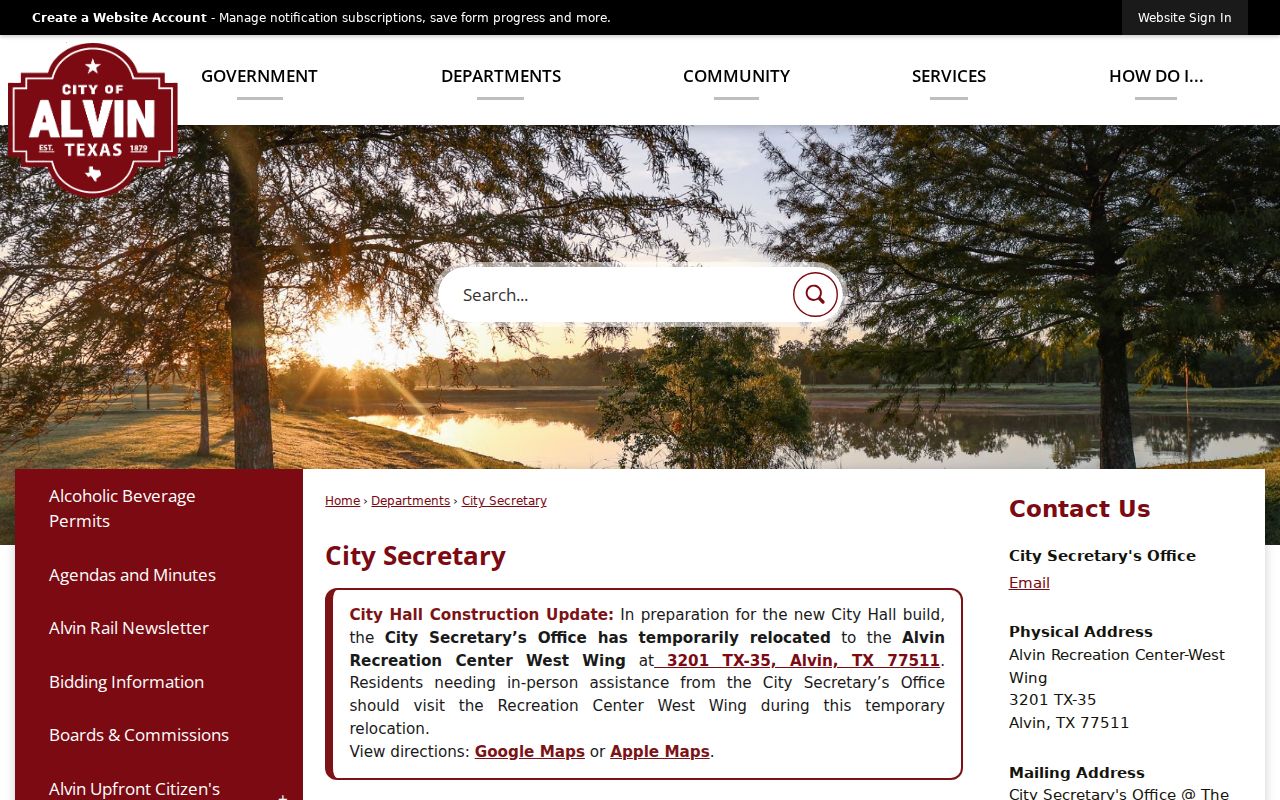
Confirm the current counter location before visiting, since several departments are temporarily distributed.
Note: The city issues an itemized estimate when expected charges exceed $40.
Alvin Newspaper and Cemetery Trails
The digitized Alvin Sun collection reaches notices, obituaries, civic names, and business references. The title runs from 1890 to the present, with gaps in individual holdings. Search surname variants, initials, and a narrow date range. A newspaper notice corroborates well. The original vital, court, or deed custodian still issues the certified record.
Oak Park Cemetery, city-owned and operating since 1892, links a burial-record PDF. Pair it with the Brazoria County Historical Museum cemetery database. Local obituary notices also help identify a historical person or relatives. None of these establish a current address. When an official death record is required, compare the likely result with the County Clerk or Texas DSHS.
For older material, BCLS provides library-access genealogy databases. BCHM research staff can route a targeted historical question. Texas State Library microfilm, FamilySearch collections, and local reading rooms form the fallback when a modern portal does not state coverage for the date you need.
Alvin ZIP and Boundary Checks
A ZIP code only tells you where mail goes. It does not fix the city line. Alvin's postal ZIPs include 77511 and 77512, yet a postal city label can reach past municipal limits, and some Alvin parcels sit in mailing patterns that ignore the boundary. Confirm the code for an exact address with the USPS ZIP Code Lookup.
Maps do the boundary work. The City of Alvin GIS puts parcel, school, council-district, and utility detail in one view, while Brazoria County Engineering GIS adds city-limit, ETJ, precinct, drainage, road, and floodplain layers. Treat the map as a guide. Ownership questions go back to BCAD. The deed and plat control the legal tract.
A street address works better than a ZIP. The Alvin street directory keeps the parcel and deed sequence focused on the current address rather than postal geography.
Alvin Resident Records and Safe Use
Every official record answers one lawful question. Voter addresses under protection, motor-vehicle data, utility accounts, and much court and vital material sit outside ordinary residents-directory fields. Texas runs an Address Confidentiality Program, and other qualifying protected voters can have address information withheld too. Never rebuild redacted details from related records.
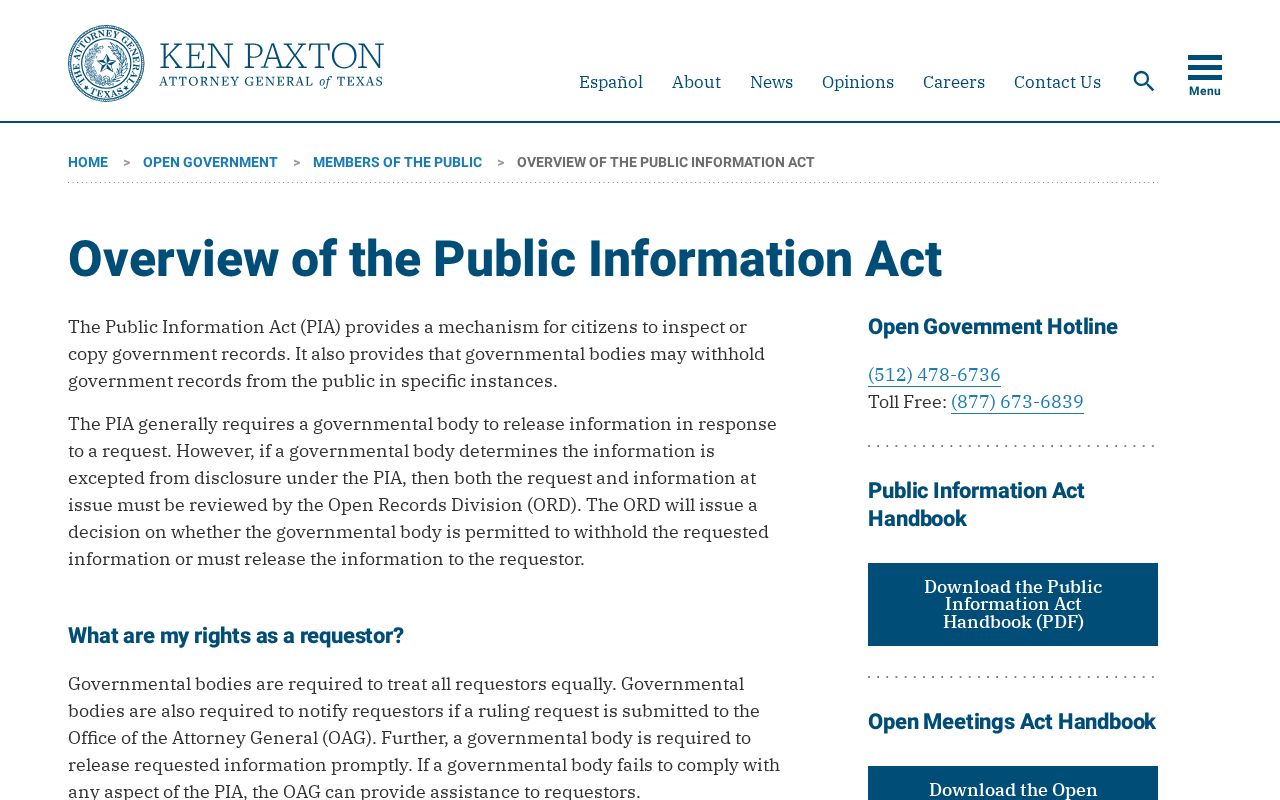
See the Texas Attorney General's Public Information Act overview for the state access rules.
Verify the result with the custodian, noting its date, source, and limits.
Historical Alvin Resident Directories
Alvin's paper trail spans several archives. The Texas State Library lists Alvin directories for 1962 and 1963, and the Galveston and Texas History Center carries Alvin City Directories from 1967 to 1991, with gaps in the run. UT Austin's Center for American History holds more. Its catalogs cover Alvin City Directory and Alvin Telephone Directory titles, plus regional white pages for Alvin and Brazoria County. Those are dated snapshots. None replaces a current residents directory.
The Alvin city directory page keeps the historical shelf, entry reading, and household tracing together in one place. Pair any listing with its publication year. Add the exact street address and another dated source before drawing a conclusion about a household.